The simple formula
Electricity is charged per kilowatt-hour (kWh): one kilowatt of power used for one hour. To work out what any heater costs to run, use:
Watts ÷ 1,000 × pence per kWh = pence per hour
So a 2,000 W heater on a 26p tariff: 2,000 ÷ 1,000 = 2 kW, × 26p = 52p per hour. Your unit rate is on your bill or energy app. If you're on a standard variable tariff, it's capped by Ofgem's price cap, which changes every three months — so it's worth checking the current figure and entering it in our running-cost calculator.
Cost per hour by wattage
These figures assume the heater runs at full power for the whole hour at an example rate of 26p per kWh.
| Heater wattage | Per hour | 4 hours a day | 30 days at 4 h |
|---|---|---|---|
| 400 W | 10.4p | 41.6p | £12.48 |
| 500 W | 13.0p | 52.0p | £15.60 |
| 750 W | 19.5p | 78.0p | £23.40 |
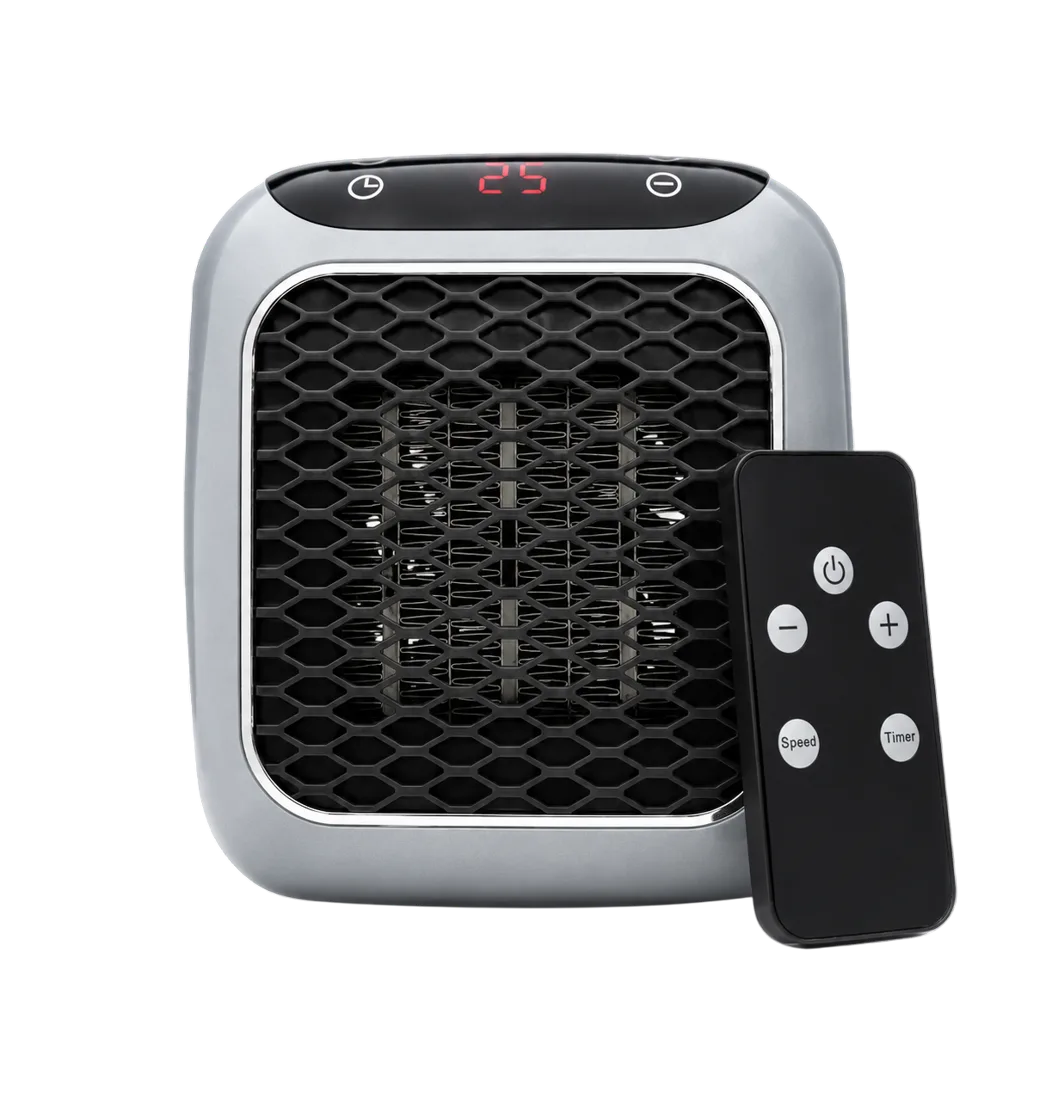
| 950 W (RapidHeat, seller-stated) | 24.7p | 98.8p | £29.64 |
| 1,000 W | 26.0p | £1.04 | £31.20 |
| 1,500 W | 39.0p | £1.56 | £46.80 |
| 2,000 W | 52.0p | £2.08 | £62.40 |
| 3,000 W | 78.0p | £3.12 | £93.60 |
The pattern is simple: double the wattage, double the cost per hour. A larger heater isn't less efficient — it just produces more heat and uses more electricity doing it. The right choice is the smallest heater that keeps you comfortable in the space you actually use.
RapidHeat per day, week and month
The seller states RapidHeat draws an average of 950 W. We couldn't confirm the maximum rated wattage, so check the label on the unit when it arrives. Using that 950 W figure:
| Hours a day | Per day | Per week | Per 30 days |
|---|---|---|---|
| 1 hour | 24.7p | £1.73 | £7.41 |
| 2 hours | 49.4p | £3.46 | £14.82 |
| 4 hours | 98.8p | £6.92 | £29.64 |
| 6 hours | £1.48 | £10.37 | £44.46 |
| 8 hours | £1.98 | £13.83 | £59.28 |
Why real costs are often lower
Heaters with a thermostat don't run at full power all the time. Once the room reaches the temperature you set, the element switches off and only comes back on when the room cools. In a small, well-insulated room, that can noticeably reduce the average draw. In a cold, draughty room the heater may run almost constantly, so the full-power figure is a fair worst case.
- Room size and insulation decide how hard the heater works.
- Target temperature: each degree higher means more running time.
- Outside temperature: colder days mean more cycling on.
- Timer use: switching off automatically avoids paying for heat you don't need.
What about "1p per hour" heaters?
You may see adverts for heaters that "cost 1p per hour". At 26p per kWh, 1p buys about 38 watt-hours of electricity — less heat than an old-fashioned light bulb. No heater can warm a room on that. These claims usually rely on very low tariffs, tiny wattages or assumed thermostat cycling. Read more in our guide to energy-efficient heaters.
How to keep costs down
- Heat the room you're in, not the whole house, and close the door.
- Set the thermostat a degree or two lower and wear an extra layer.
- Use the timer so the heater switches off when you leave or fall asleep.
- Block draughts around doors and windows.
- Compare with your central heating: see heater types compared.