The short answer
Portable heaters cause problems mainly when they're covered, placed too close to things that can burn, plugged into overloaded adaptors or left on when nobody's around to check. Most of the risk comes down to how and where they're used.
Safety checklist
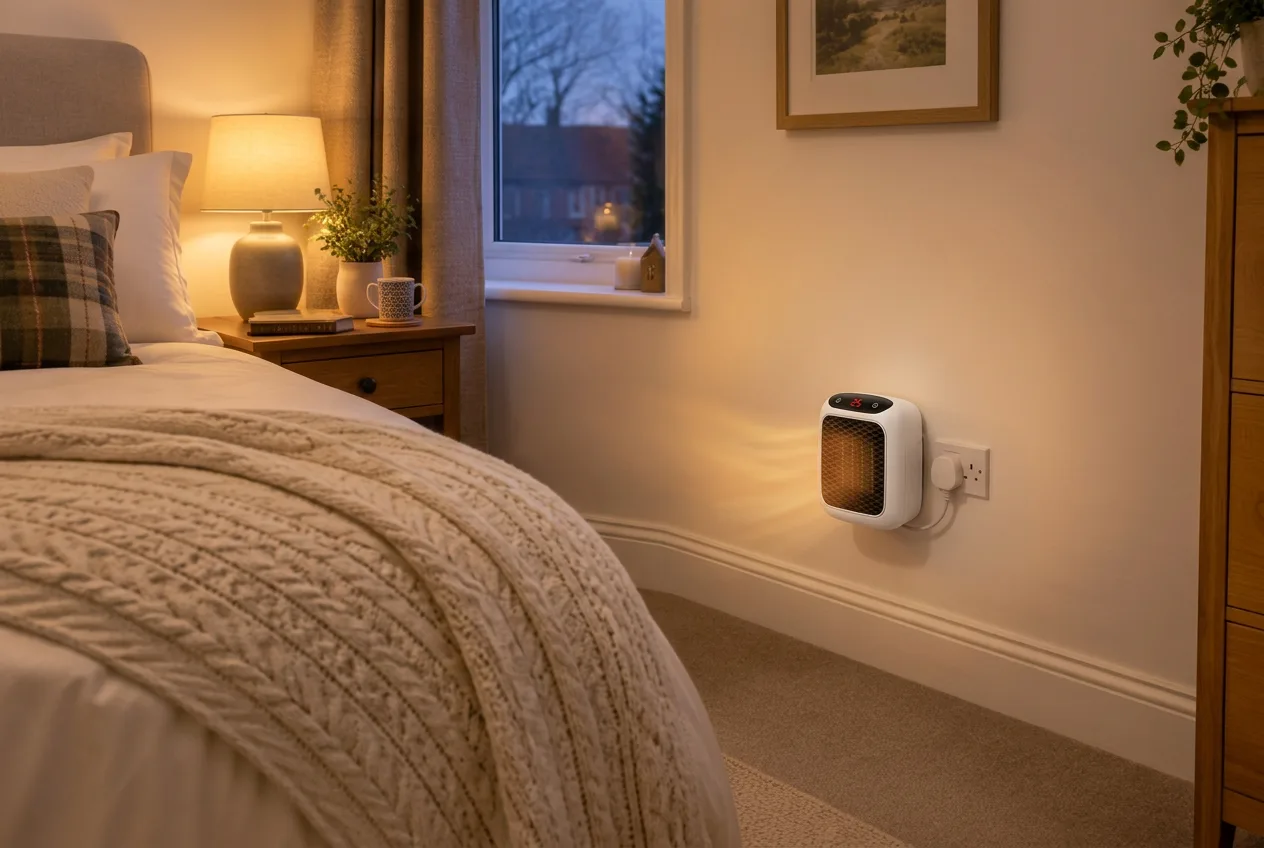
- Use a wall socket directly. Avoid extension leads and adaptors for heaters. They draw a lot of current.
- Keep it clear. No curtains, clothes, bedding or furniture in front of or over the heater.
- Never cover it or use it to dry clothes.
- Check the socket. If the plug or socket gets hot, discoloured or loose, stop using it and get the socket checked.
- Follow the manual on where it can and can't be used. Don't assume it's suitable for bathrooms.
- Switch off when you go out or go to bed unless the manufacturer says otherwise. Use the timer to limit running time.
- Children and pets: supervise them, and keep the heater out of reach where you can.
- Smoke alarm: have a working one on every floor.
Safety features worth looking for
- Overheat protection that cuts power if the unit gets too hot
- A thermostat and timer to stop it running longer than needed
- A UK 3-pin plug and clear instructions in English
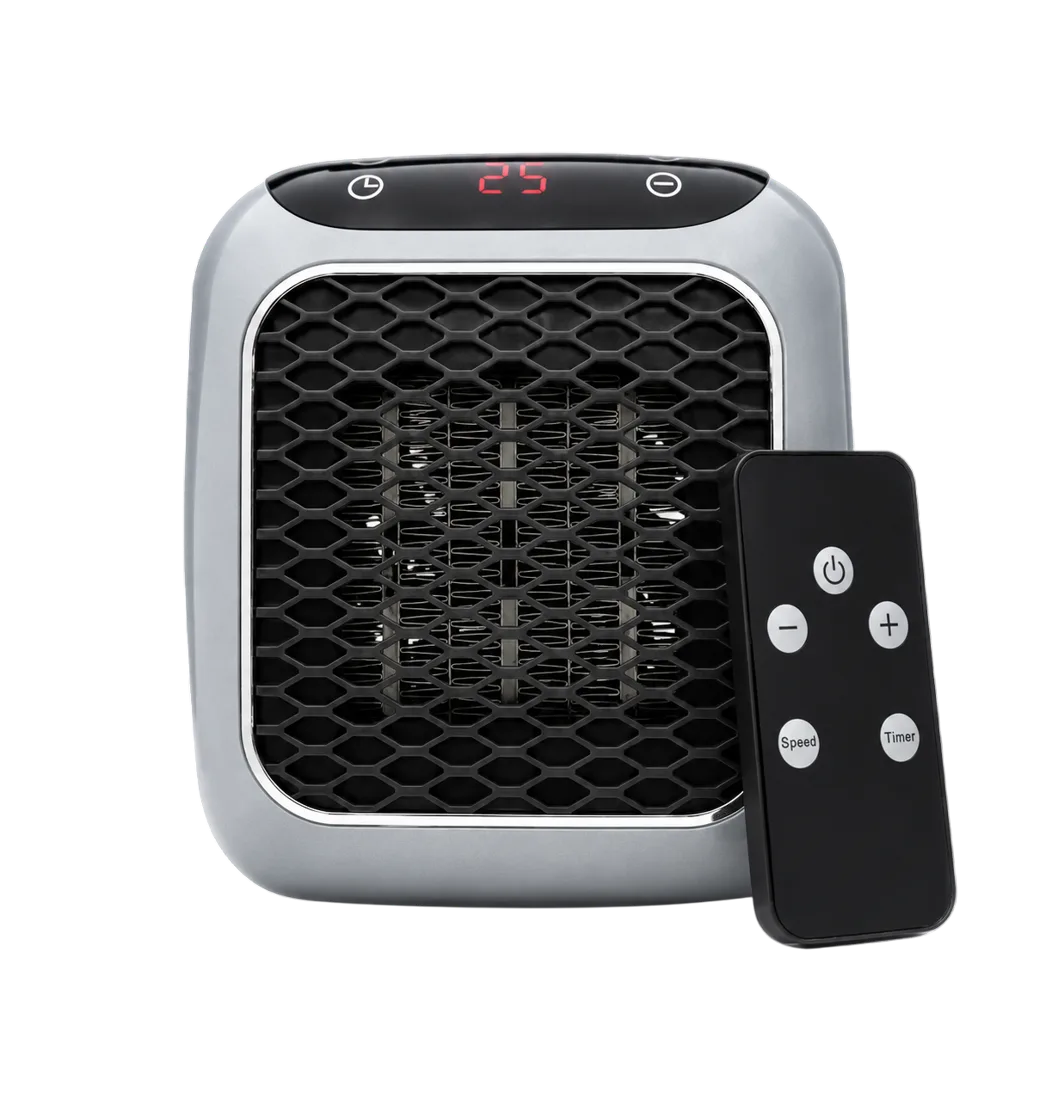
The RapidHeat seller describes overheat protection, tip-over protection, automatic shut-off and a timer. These are seller statements we haven't tested. Read the safety section of the supplied manual before use. See features and operation.
Is it safe to leave a plug-in heater on overnight?
We don't recommend leaving any portable heater running unattended or while you sleep unless the manufacturer's instructions clearly allow it. Warm the room before bed, then use the timer to switch it off.