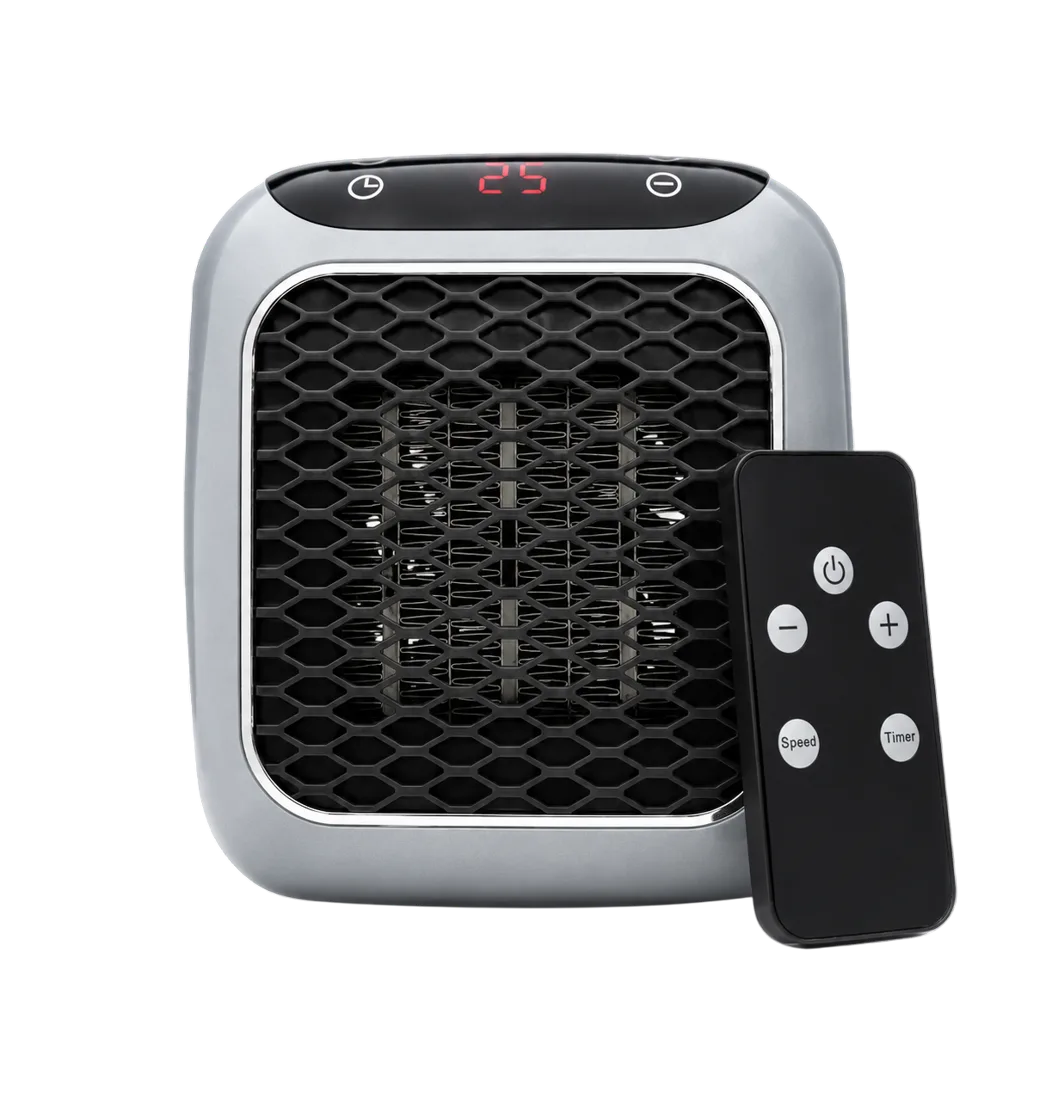
All plug-in electric heaters are about equally efficient
A plug-in electric heater turns almost all the electricity it uses into heat. That's why sellers can say "99% efficient". The claim is true, but it's true of nearly every electric heater. A 1 kW fan heater, oil radiator or convector all cost the same per hour when running at full power.
So what makes a heater cheaper to run?
- Lower wattage means it costs less per hour, but also gives out less heat.
- A thermostat cuts power once the room is warm, so the heater isn't running flat out the whole time.
- A timer stops it running when you don't need it.
- Heating only the room you use instead of the whole house. This is where real savings can come from.
- A cheaper tariff lowers the cost of every kWh.
What about "1p per hour" heaters?
At a typical UK rate of around 26p per kWh, 1p buys about 38 watt-hours of electricity. That's enough for a 38 W device for an hour, which is far too little to heat a room. Claims like this usually mean a very low setting, a short burst or an average after the thermostat has switched it off. Always check the wattage and do the maths yourself.
Is a plug-in heater cheaper than central heating?
It can be, for a single small room. Running one compact heater may cost less than heating every room with central heating. Electricity per kWh usually costs more than gas, though, so heating several rooms electrically can cost more. It depends on your home, your tariffs and how many rooms you heat.
Work out your own cost
Use the running-cost calculator with your heater's wattage and the rate on your bill, or read our heater type comparison.