How the calculation works
Every electric heater turns electricity into heat. What you pay depends on three numbers:
- Power (watts), printed on the heater's rating label. 1,000 W is 1 kW.
- Time, meaning the hours it's drawing that power.
- Unit rate, the pence you pay per kilowatt-hour (kWh), shown on your bill or app.
Cost (£) = (watts ÷ 1,000) × hours × (pence per kWh ÷ 100)
A worked example
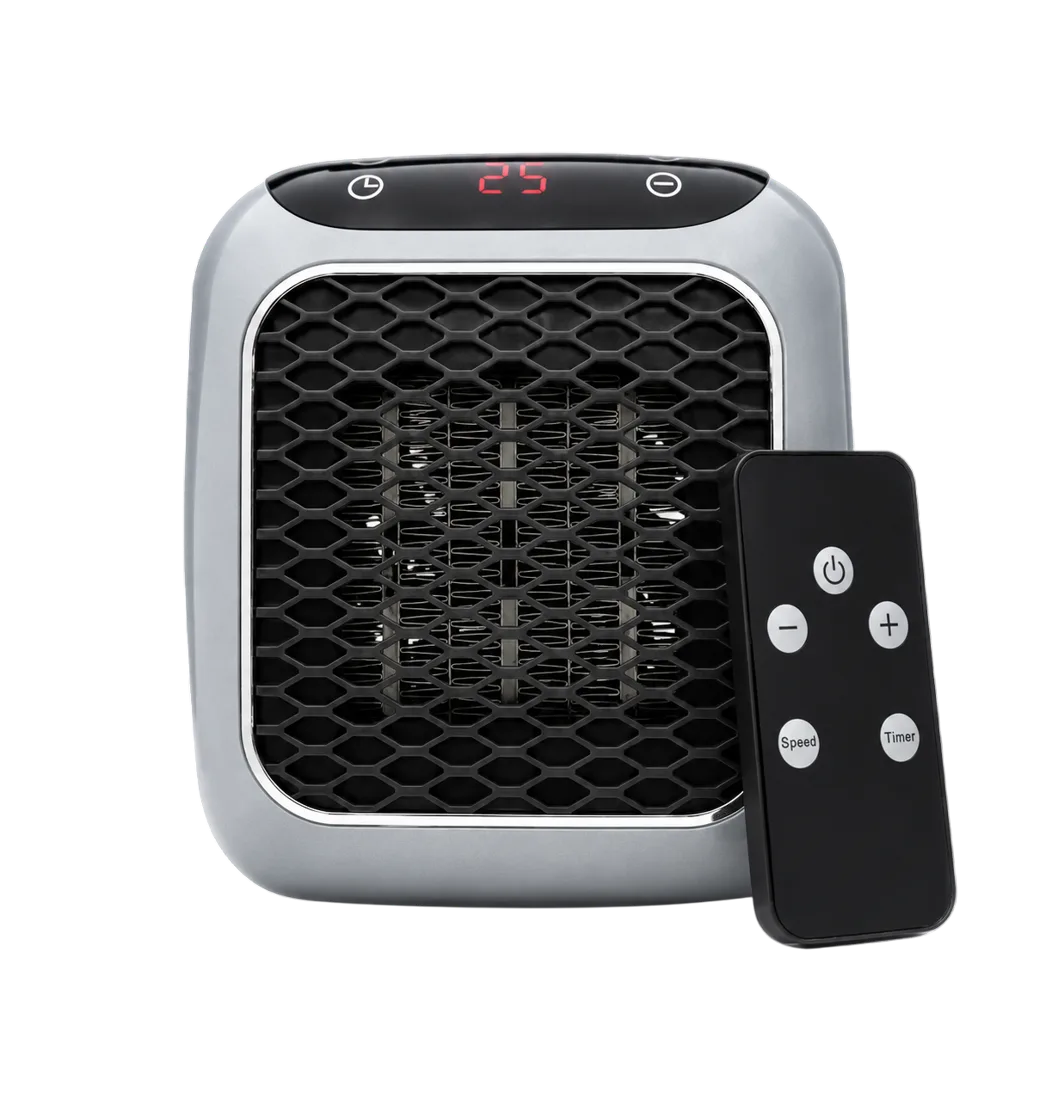
The seller states RapidHeat draws about 950 W on average in operation. With an example rate of 26p per kWh:
- Per hour: 0.95 kW × 1 h × £0.26 = about 24.7p
- 4 hours a day: about 98.8p
- 4 hours a day for 30 days: about £29.64
26p is an example only. Tariffs change and differ by supplier, region and payment method, so use your own rate.
What the figure doesn't include
The calculator assumes the heater draws its full power for every hour you enter. A thermostat may switch the element on and off once the room is warm, which could lower real use. How much depends on the room, insulation and outside temperature, so we don't guess. If you want certainty, a plug-in energy monitor will show what your unit really uses.
About the seller's "22p a day" claim
The marketing materials say RapidHeat costs about 22p a day. They don't set out the hours or rate behind that figure. At 950 W and 26p per kWh, 22p covers roughly 53 minutes of continuous running. Treat it as an illustration, not a forecast.
Does a portable heater save money?
Running any heater adds to your bill. Savings only happen if you heat less elsewhere, for example by lowering central heating in rooms you aren't using. Whether that works for you depends on your home. Our heater comparison sets out the trade-offs.